


HDR10: Unlocking the Door to Lifelike Imaging
Throughout the history of human civilization, the quest for "authenticity" has been a constant thread running through the evolution of photography.

From the daguerreotype of the 19th century to color television in the 20th, and on to today's 4K and 8K resolutions, every breakthrough in imaging technology has brought us one step closer to capturing the world as we truly see it.
HDR10 — currently one of the most widely adopted high dynamic range video formats — redefines the rules across brightness, color depth, and color gamut. It gives cameras a powerful reference for reproducing visuals that closely match real‑world perception, and in doing so, opens a doorway to truly lifelike imagery.
The Language of Light and Shadow: What HDR10 Is Made Of
HDR10 isn't just about "brighter" or "more colorful" — it's a comprehensive technical framework that rebuilds the very foundation of image rendering. Three key metrics define its performance:
BT.2020 Color Gamut
Most HDTVs and standard video content (Blu‑ray, online streaming) still rely on the BT.709 color space — think of it as a basic 24‑color paint palette that covers only the common shades of red, green, and blue.
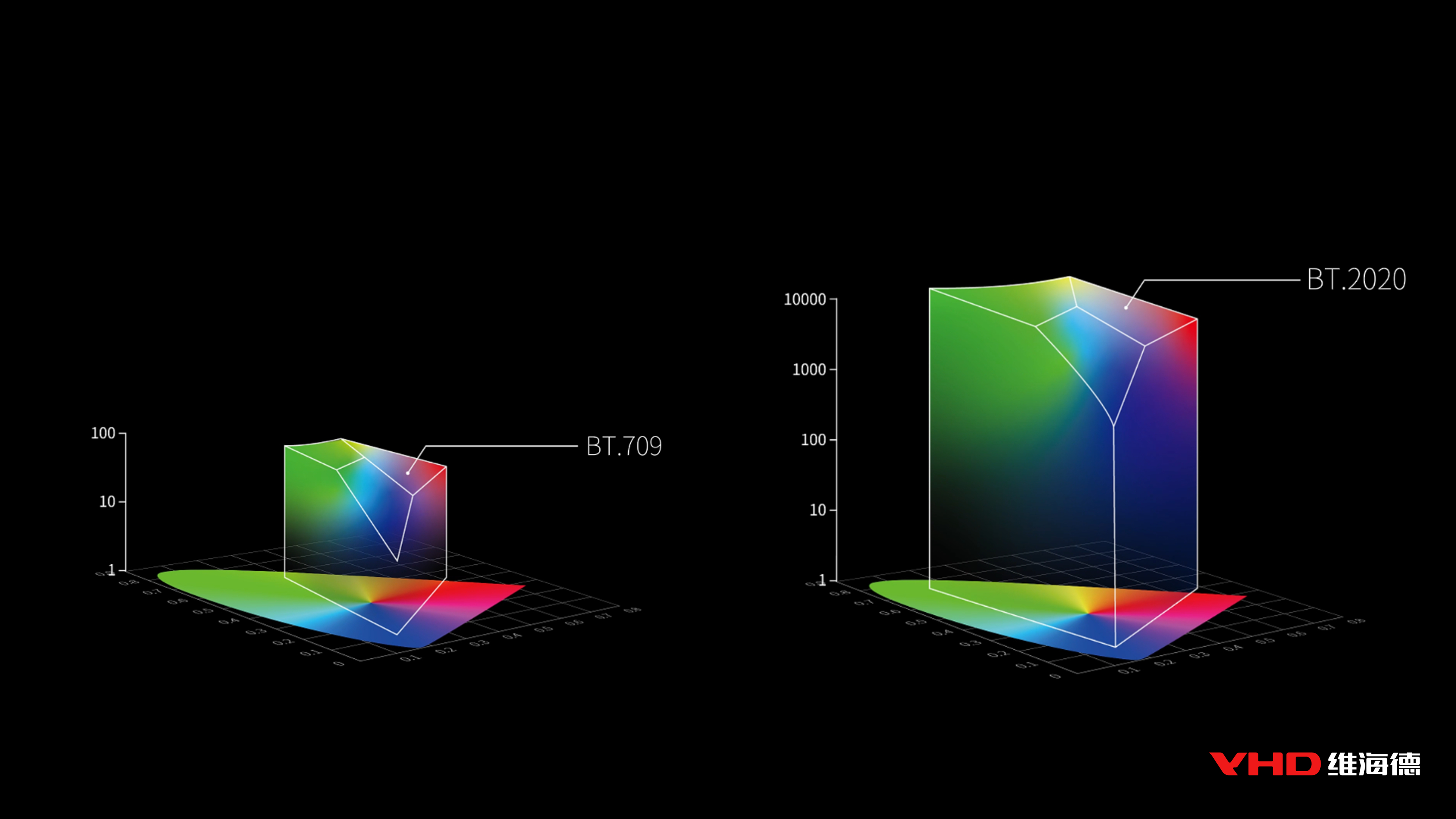
BT.2020, on the other hand, is the standard for 4K/8K UHD TVs, professional cinema, and high‑end monitors. Its color space is nearly twice as large as BT.709. This means cameras can draw from a vastly richer palette, reproducing more vivid and pure colors — think of the deep orange‑red of a sunset, the lush greens of a rainforest, or the subtle gradients of a clear sky — delivering a visual experience that feels far more authentic.
10‑Bit Color Depth
Color depth determines how smoothly tones transition from one shade to another — and whether you see ugly banding.
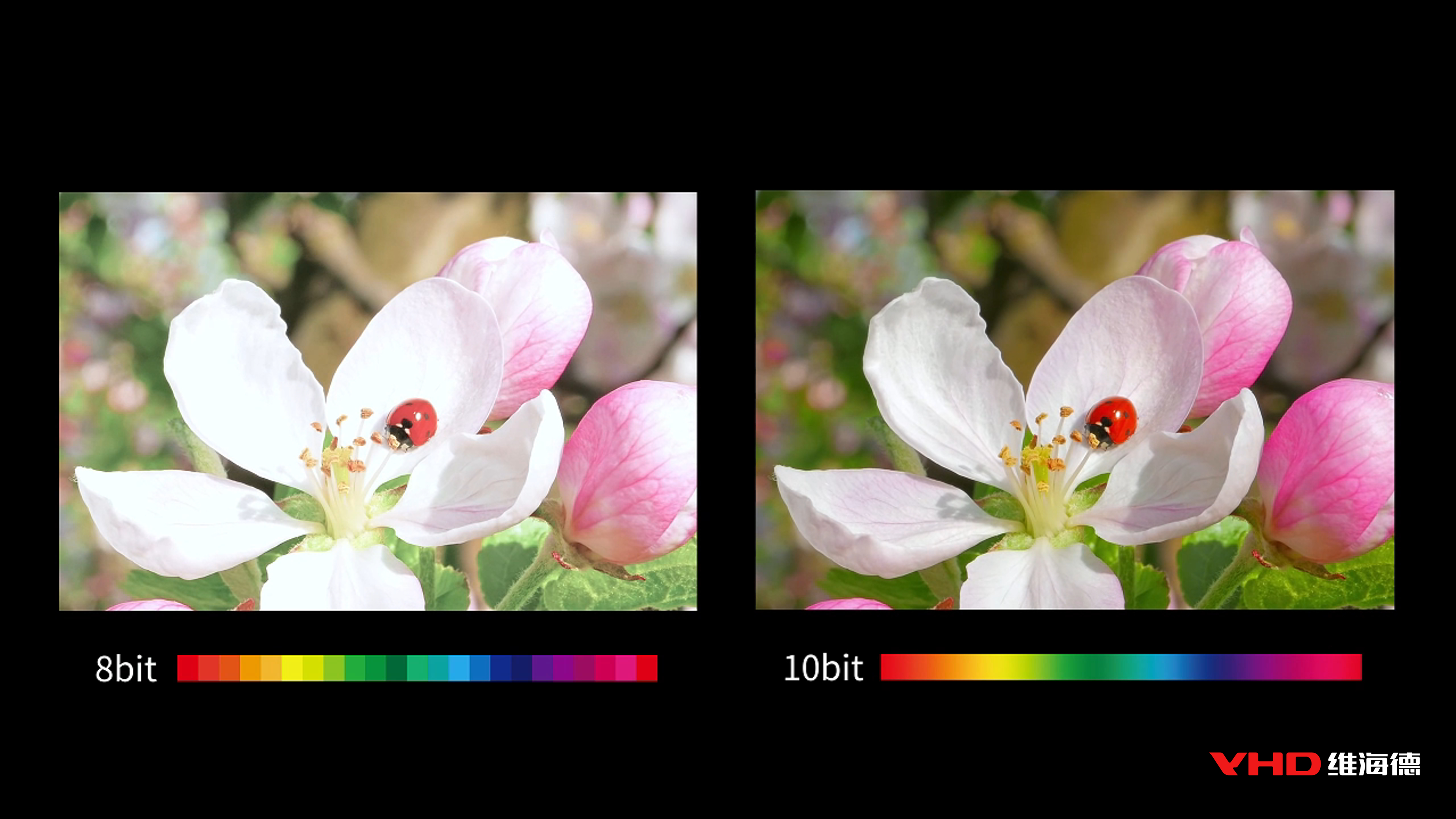
Conventional cameras typically use 8‑bit depth, which is like climbing a staircase with only 256 steps from black to white. In gradual scenes (like a sky shifting from blue to violet), you'll often notice visible "layering," especially when viewed on large displays.
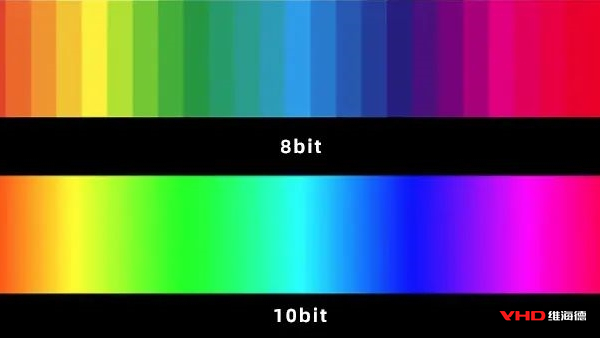
10‑bit depth, by contrast, is like a gentle ramp with 1,024 steps — transitions are virtually seamless, gradients flow like silk. The pink‑purple hues of twilight, or the subtle shading of skin tones, feel natural and continuous, free from those blocky, mosaic‑like artifacts.
HDR High Dynamic Range
Dynamic range decides whether a scene can hold detail in both the brightest highlights and the deepest shadows at the same time.
SDR (Standard Dynamic Range) — still used by many conventional cameras — traces its roots to old CRT television standards, with a peak brightness of roughly 100 nits (about as bright as a dim desk lamp). Highlights blow out to white, and shadows sink into muddy black.
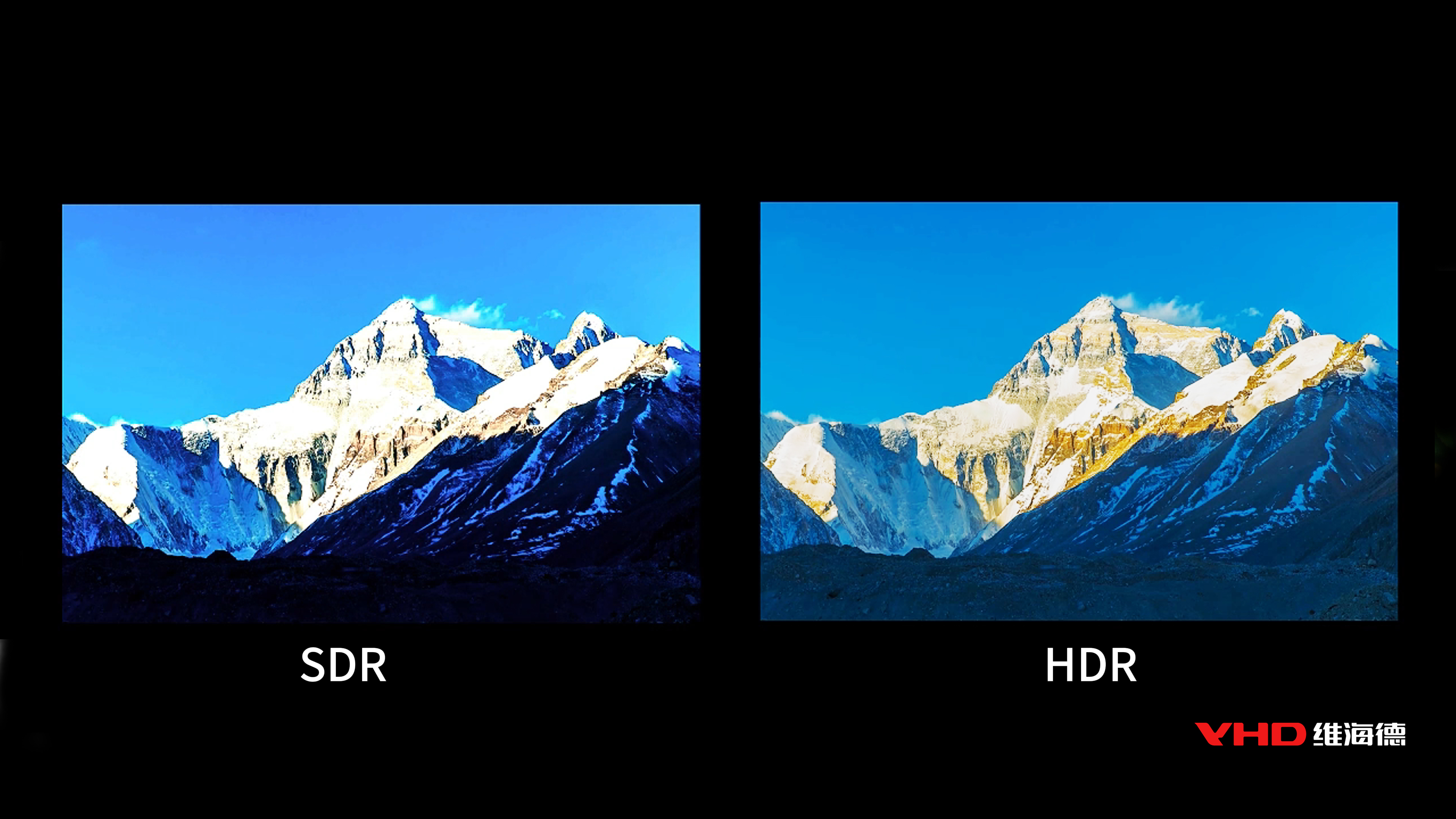
HDR changes the game by dramatically expanding detail retention on both ends. Its brightness range can reach tens or even hundreds of times that of SDR (typical peak brightness of 1,000 nits or higher), with contrast ratios up to 100,000:1. The result: harsh sunlight and deep shadows no longer force a trade‑off — both reveal their full richness and texture.
Where HDR10 Transforms Critical Scenarios
In fields that demand absolute image excellence, HDR10 is fast becoming indispensable:
-
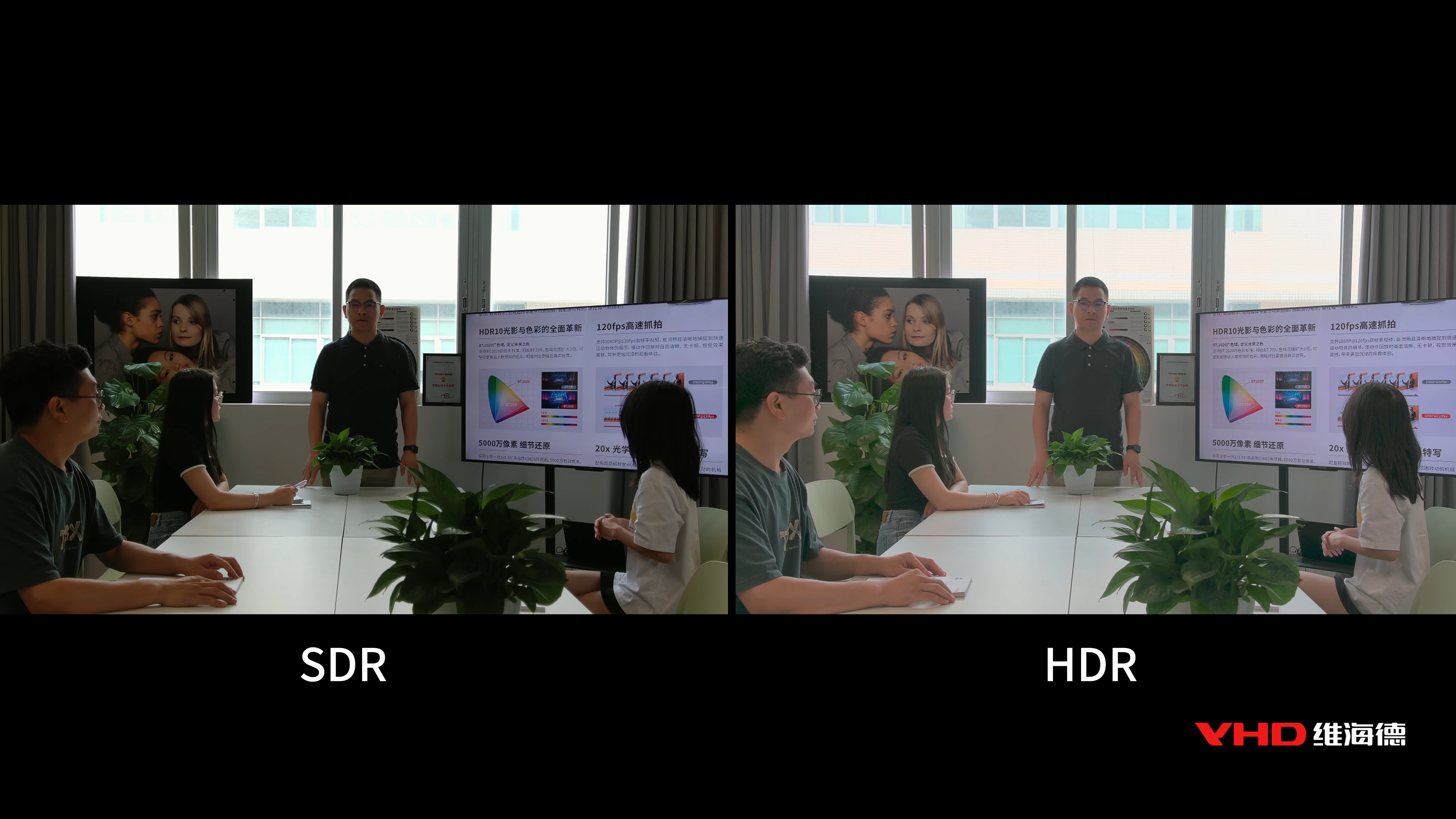
Meeting rooms: HDR10 cuts through harsh window light and backlight from presentation screens, keeping participants' skin tones natural, expressions clear, and on‑screen text sharp — boosting communication efficiency and professionalism in remote collaboration.
-
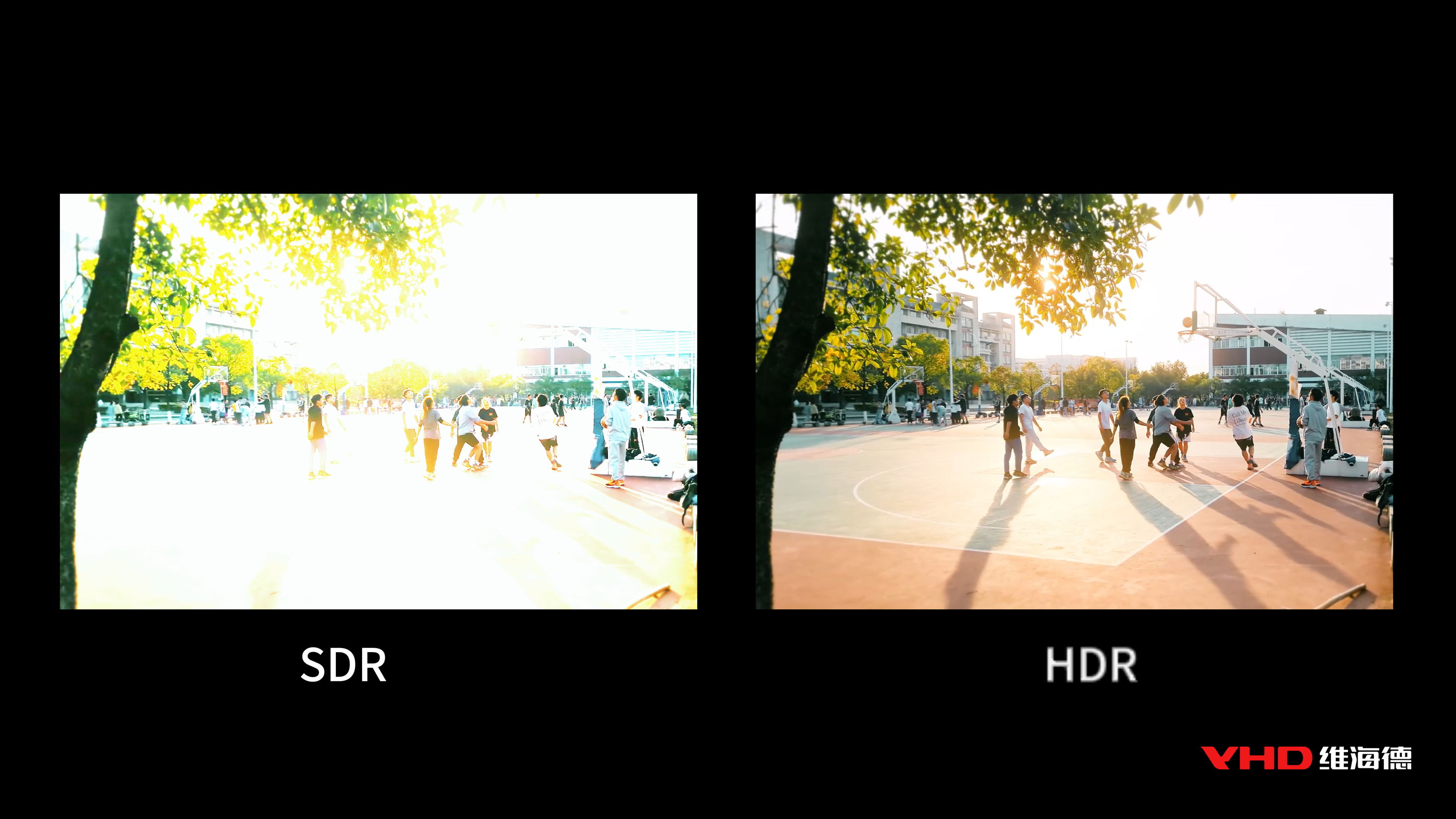
Sports broadcasting: Outdoor glare is tamed, and fast‑moving athletes — along with the contrast between sun‑lit fields and shaded areas — are captured with crisp clarity.
-
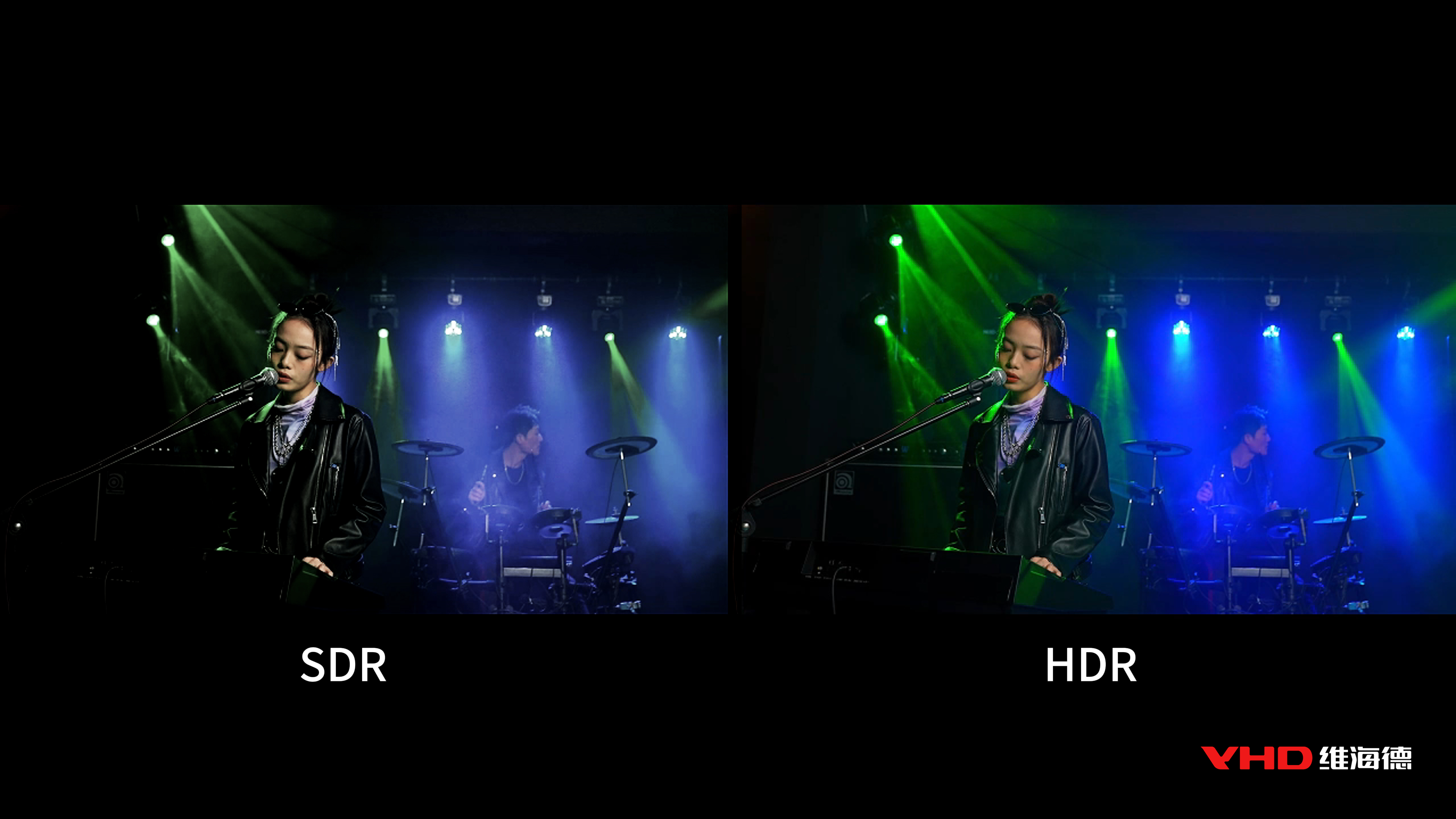
Live entertainment: The shimmer of costumes under complex stage lighting, and the layered texture of theatrical smoke, are faithfully delivered to the screen without loss.
-
Outdoor events and museum tours: Whether under the scorching midday sun or inside galleries with wildly varied illumination, HDR10's wide dynamic range conquers extreme lighting challenges to produce stable, high‑quality footage.
VHD VX720G: Setting a New Benchmark in HDR Imaging
VHD, with its deep expertise in professional imaging equipment, understands better than most what it takes to bring reality to the screen.
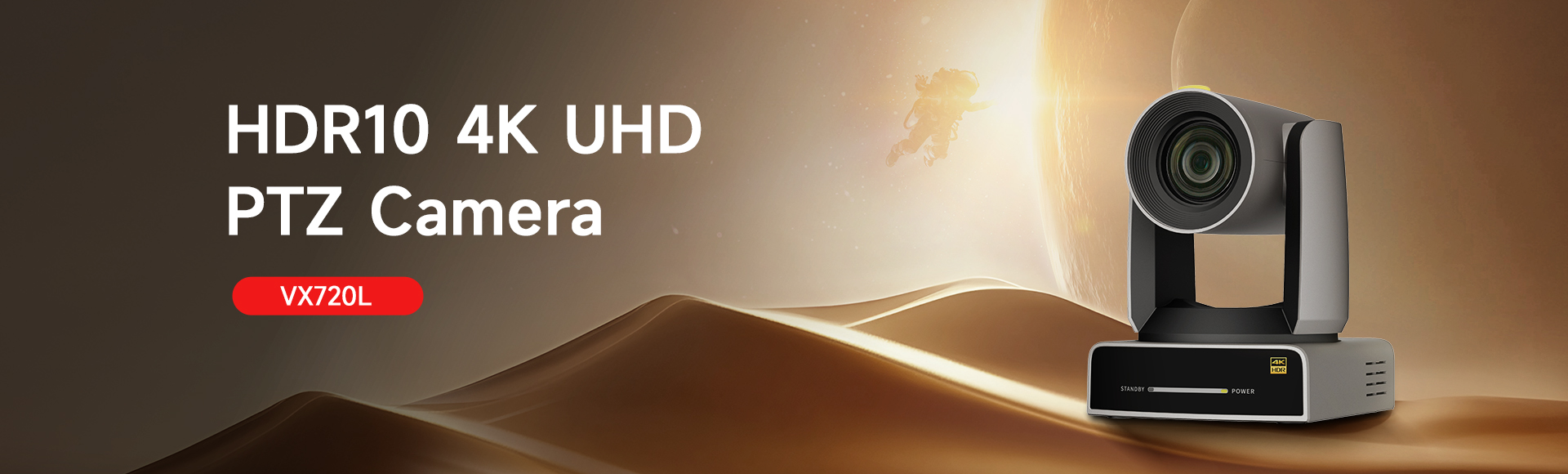
The VX720G 4K PTZ camera integrates HDR10 video technology, raising the bar for professional capture with a new standard of performance and experience. It pushes the industry forward, bringing us ever closer to the true essence of what we see — and letting us fully appreciate the visual wonder that modern technology makes possible.


